
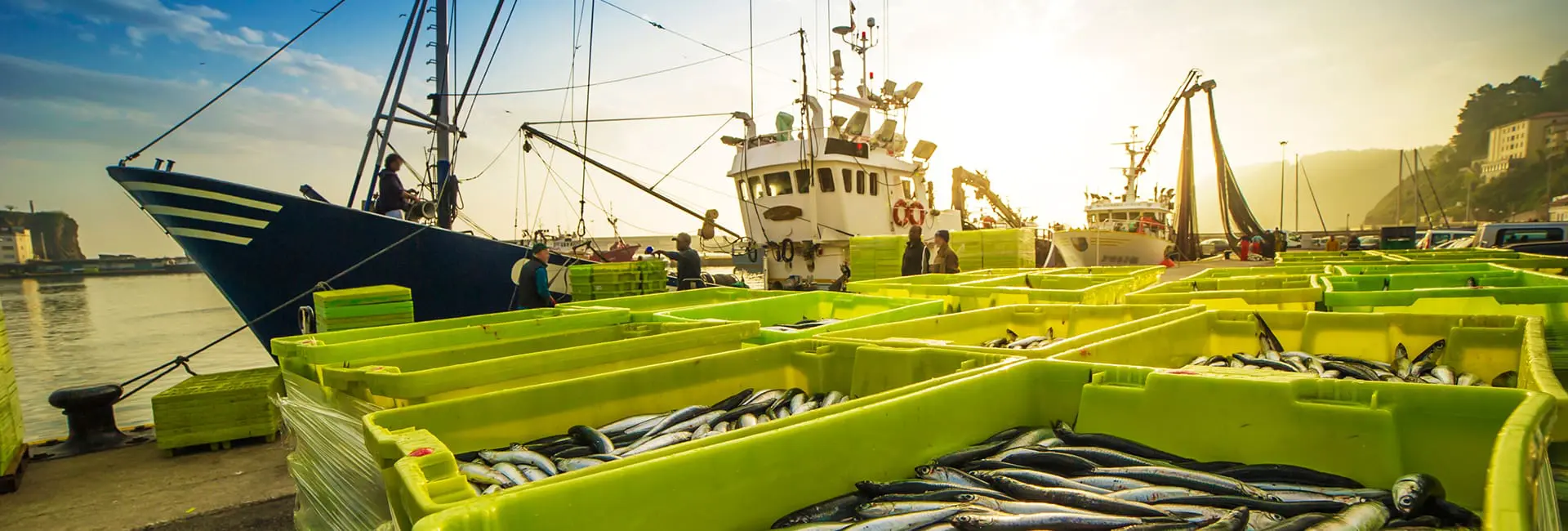
At dawn, fishing boats leave quiet harbors and return with catches that support families, markets and local businesses. Behind every thriving coastal community lies a healthy marine ecosystem. When fish stocks decline, incomes shrink, and livelihoods face uncertainty.
Effective fisheries protection helps sustain marine resources, supports responsible trade and keeps coastal economies productive across generations.
Protecting fish stocks and future catches
Healthy fish populations give fishing communities a reliable source of income. Unregulated harvesting, illegal nets and excessive catches weaken stocks and disrupt marine food chains. Authorities set catch limits, monitor fishing seasons and establish protected breeding areas.
These measures give fish populations time to reproduce and recover. Stable stocks support consistent catches, helping fishing households maintain earnings while preserving marine biodiversity.
Supporting jobs across coastal communities
Fishing supports a wide network of local employment. Boat crews, net makers, dock workers, market vendors, transport operators and seafood processors all rely on regular catches. When marine resources decline, these businesses face lower sales and fewer working hours.
Responsible fishing practices help maintain commercial activity and protect employment across coastal towns, where seafood trade supports household spending and local services.
Strengthening seafood markets and consumer trust
Buyers value seafood that meets quality, safety and sustainability standards. Traceability systems help businesses record catch locations, species and handling conditions. Inspections discourage illegal trade and support honest suppliers.
Strong oversight also helps exporters meet international market requirements. Reliable sourcing builds customer confidence and gives responsible fishing businesses a better chance of securing long term commercial relationships.
Protecting habitats that support marine life
Coral reefs, mangroves, seagrass beds and coastal wetlands provide shelter and breeding grounds for many species. Destructive fishing practices damage these habitats and reduce marine productivity.
Conservation programmes, habitat restoration and protected zones help ecosystems recover. Healthy coastal environments also support tourism, recreation and natural barriers against storms, giving local economies several sources of long term value.
Using technology to improve monitoring
Modern monitoring tools help authorities track fishing activity across large coastal areas. Satellite systems, vessel tracking devices, patrol boats and digital catch records reveal suspicious activity and support enforcement.
Community reporting also helps officials identify illegal operations. Better information allows agencies to focus resources on high risk areas and respond quickly when fishing rules face violations.