
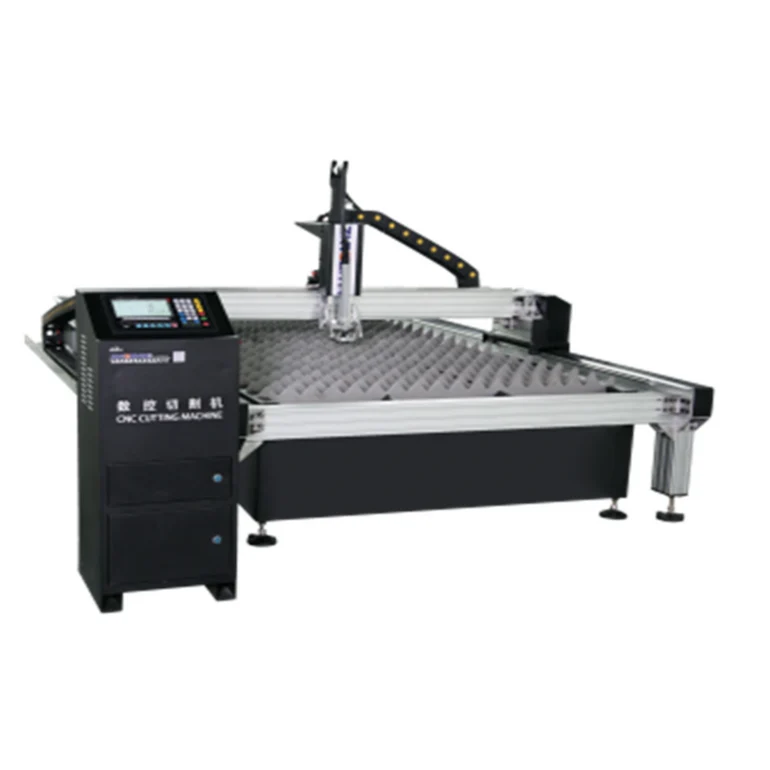
Operating CNC equipment requires technical knowledge, practical experience, and a clear understanding of safety procedures. Skilled operators help manufacturers maintain product quality, reduce material waste, and prevent costly errors.
Proper training also improves machine performance and workplace safety. Businesses that invest in operator development prepare their teams to handle advanced CNC machines in UAE with confidence, accuracy, and greater efficiency.
Start with basic machine knowledge
Introduce operators to the essential components of CNC equipment before they begin practical training. Explain the control panel, cutting tools, spindle, worktable, and emergency stop button. Show how each component functions during production.
Familiarity with machine parts helps operators understand their equipment and identify unusual behaviour. Use simple demonstrations and clear instructions to build their technical knowledge.
Prioritize workplace safety
Safety training deserves attention before operators handle industrial equipment. Explain the importance of protective eyewear, suitable clothing, and proper footwear. Teach workers how to secure materials, inspect machine guards, and recognise potential hazards.
Demonstrate emergency shutdown procedures and explain the risks of loose clothing near moving parts. Regular safety discussions help operators develop responsible working habits and prevent workplace accidents.
Provide hands-on training
Practical experience helps operators apply their knowledge in real production environments. Allow trainees to practise basic operations under an experienced supervisor. Start with simple machining tasks before introducing complex cutting processes.
Show how to load materials, select tools, set machine parameters, and execute programs. Supervised practice helps operators develop confidence, improve accuracy, and recognise mistakes before they affect production.
Teach programming and machine controls
Operators benefit from a clear understanding of CNC programming and machine controls. Introduce basic G-code and M-code commands, explaining how they control machine movements and functions.
Show trainees how to enter programs, adjust cutting speeds, and set tool offsets. Give them simple programming exercises to strengthen their skills. Regular practice helps operators identify programming errors and avoid unnecessary material waste.
Explain routine maintenance procedures
Every operator should understand basic machine maintenance. Teach trainees how to clean work areas, inspect cutting tools, check lubrication levels, and identify unusual vibrations. Explain the importance of following manufacturer maintenance schedules.
Encourage operators to report damaged components and abnormal machine behaviour immediately. Regular inspections help prevent unexpected breakdowns and support consistent production quality.