
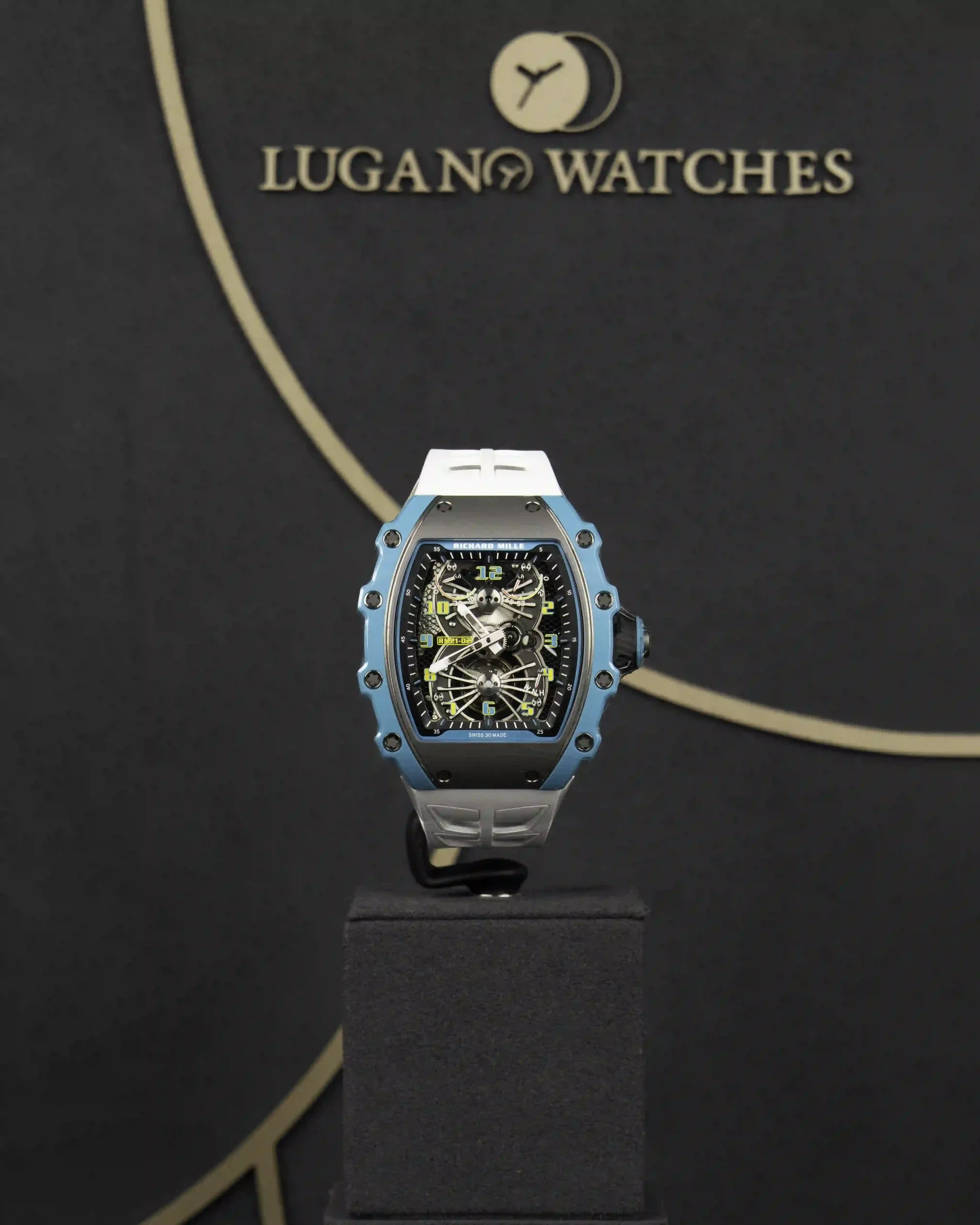
A luxury watch can look flawless, yet still hide details that are hard for an untrained eye to spot. Case markings, movement components, replaced parts, and documentation can all reveal important clues about a timepiece’s authenticity and value. This is where an independent appraiser can add another layer of scrutiny, offering an unbiased assessment before a major purchase.
For buyers considering authentic luxury watches UAE, third-party verification can provide valuable confidence in what they are paying for.
Why independent appraisal matters
An independent appraiser has no direct sales interest in the transaction. This separation lets the expert focus on the watch itself. The appraiser compares visible details, technical features, and documents against references. An impartial report gives buyers useful evidence before committing money toward a timepiece.
Examining the movement
The movement provides clues about authenticity. An appraiser checks the calibre, component arrangement, finishing, engravings, jewels, screws, and mechanical behaviour. Luxury manufacturers follow distinct construction standards, so unusual parts or inconsistent finishing can raise concerns.
Checking the case and dial
Case geometry, material, dimensions, crown design, crystal, hands, markers, and dial printing receive close inspection. An appraiser compares these details against verified examples. Signs of excessive polishing, replaced components, refinished dials, or incorrect parts may affect authenticity and value. Direct examination gives a clearer assessment than photographs.
Verifying serial numbers and markings
Serial and reference numbers help establish a watch’s identity. The appraiser checks their location, font, engraving quality, and consistency with manufacturer conventions. Numbers alone do not prove authenticity, so the expert examines them alongside movement and case details. Matching documentation helps identify discrepancies.
Reviewing paperwork and provenance
Original certificates, purchase receipts, service records, warranty cards, and ownership documents provide useful context. An appraiser compares these records against the watch. Consistent dates, references, and serial details support credibility. Missing paperwork does not automatically prove a counterfeit, but gaps may justify deeper examination.
Evaluating condition and modifications
Authenticity and condition work together during assessment. The expert identifies replaced parts, aftermarket components, refinishing, moisture signs, movement wear, and previous repairs. These findings can influence market value even when the watch remains genuine. A written assessment gives buyers a clearer picture of current condition.
A detailed appraisal report records observations, photographs, identifying information, condition notes, and the expert’s conclusion. Buyers can use this document during negotiations, insurance discussions, estate records, or resale. Selecting an experienced appraiser with relevant brand knowledge adds credibility.